 CALL 24/7
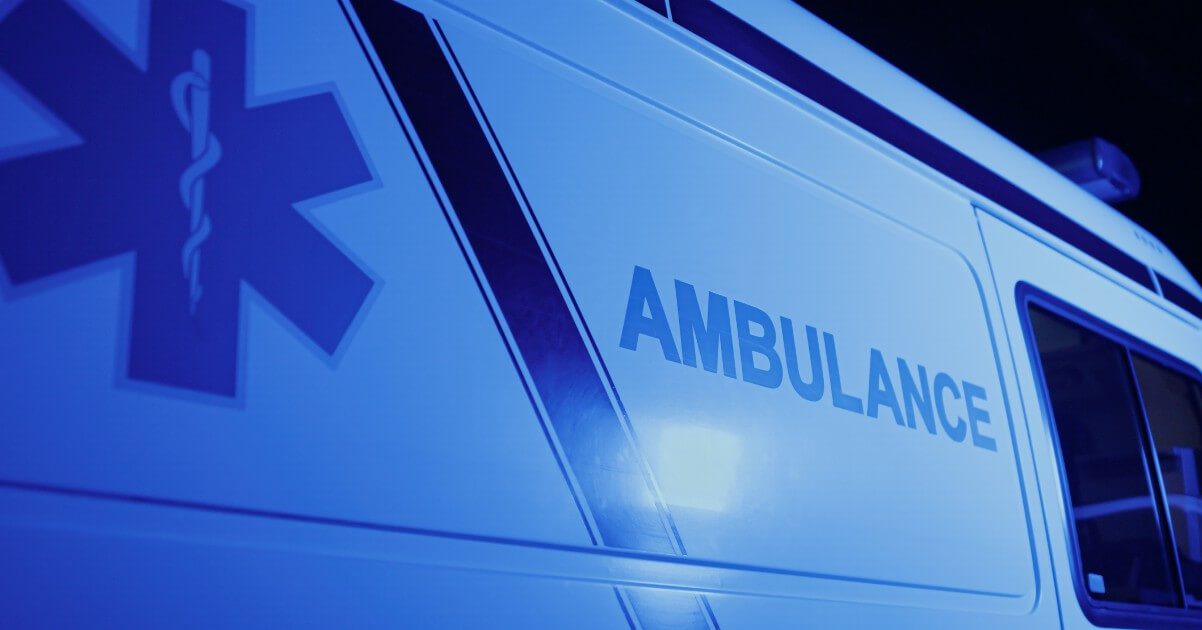
A two-vehicle collision on Tecumseh Road East in Windsor, Ontario sent one driver to hospital Tuesday afternoon after their SUV flipped over, trapping them inside.
What We Know About the Crash on Tecumseh Road East
Windsor police shut down the eastbound lanes of Tecumseh Road East between Lincoln Road and Windermere Road shortly before 3 p.m. after responding to a two-vehicle collision, according to MSN News.
Photos from the scene of the crash showed both vehicles sustained heavy damage, including a white Ford Escape lying on its side. First responders cut away part of the SUV’s roof to free the trapped driver and get them to hospital. Police haven’t yet released details about the extent of the injuries or what led to the crash. The eastbound lanes have since reopened.
Why Rollover Crashes Often Cause Serious Injury
A rollover crash generates far more force on the body than a typical collision. Unlike a single point of impact, a vehicle that rolls can strike the ground multiple times before coming to a stop, and each impact adds to the potential for serious harm. Needing specialized equipment to extract someone from a vehicle is usually a sign of just how severe that force was.
What Makes a Rollover More Dangerous Than Other Crashes
Several factors make rollover crashes more dangerous than a typical collision:
- Multiple points of impact: A vehicle that rolls can strike the ground several times, compounding the force on the body with each rotation.
- Roof crush: The vehicle’s roof can collapse inward during a rollover, reducing the space available inside the cabin.
- Ejection risk: Occupants face a much higher risk of partial or full ejection during a rollover than in a standard collision.
- Extended exposure to force: A rollover unfolds over a longer period than a single-impact crash, giving the body less chance to absorb the force safely.
Serious Injuries May Be Internal and Not Always Obvious Right Away
Some of the most serious injuries from a rollover don’t show up immediately. Spinal injuries, head trauma, and internal bleeding can all take hours, or even days, to fully present. Adrenaline at the scene can also mask pain that would otherwise signal a more serious problem, which is one reason medical evaluation matters even when someone feels stable right after the crash.
Why Recovery From These Injuries Can Take Time
Fractures, joint damage, and soft tissue injuries from a high-impact rollover often require extended physiotherapy or rehabilitation, and some injuries continue to affect mobility or function long after the initial recovery period. A full recovery timeline isn’t always clear right away, since some symptoms only become apparent as treatment progresses. That uncertainty can make it harder to know what a fair claim should look like early on, which is why claims tied to serious rollovers often benefit from a more complete medical picture before they’re finalized.
What Typically Causes a Vehicle to Roll Over
A rollover doesn’t happen without a specific cause, and understanding that cause matters both for safety and for any legal claim that follows.
Common Factors Behind a Rollover Crash
A few factors tend to come up again and again in rollover collisions:
- Loss of control: Sudden braking, sharp steering, or poor road conditions can all cause a driver to lose control.
- Impact angle: A vehicle struck from the side, particularly at higher speeds, is more likely to tip onto its side or roof.
- Vehicle design: Certain vehicles, including many SUVs, sit higher off the ground with a higher centre of gravity, which can make them more prone to rolling in the right conditions. The Kind of Evidence That Matters in These Cases
How Is Fault Determined for Crashes Involving a Rollover?
Fault in a rollover crash isn’t always as straightforward as it looks. Because a rollover can happen for several different reasons, from a driver’s actions to road conditions to the vehicle itself, establishing exactly what caused it takes a careful look at the full picture, not just the fact that a vehicle ended up on its side or roof.
Evidence That Helps to Shape These Cases
Establishing exactly how a rollover happened, and who was responsible, often depends on a few key pieces of evidence:
- The police report: Initial findings from officers at the scene often document important details, including road conditions and witness accounts, before they’re lost.
- Photos and video: Images from the scene help show vehicle positioning, skid marks, and the extent of the damage, all of which can indicate how fast each vehicle was travelling and where the impact occurred.
- Vehicle damage patterns: How and where each vehicle was damaged can reveal a lot about the sequence of events, including which vehicle struck the other first.
- Witness statements: Anyone who saw the crash unfold can offer details that aren’t always visible in physical evidence alone, such as which driver had the right of way.
- Mechanical inspection: In some cases, a rollover results from a vehicle defect or mechanical failure rather than driver error, which an inspection can help confirm or rule out.
Why More Than One Party Can Share Responsibility
A rollover crash doesn’t always come down to a single cause. Road conditions, another driver’s actions, and a vehicle’s own stability can all play a role at the same time, which means fault is sometimes shared between more than one party rather than resting entirely on one driver.
Insurance Coverage After a Rollover Crash in Ontario
A serious rollover crash raises immediate questions about who covers medical costs and other losses while fault is still being determined.
Ontario’s No-Fault System May Provide Coverage Right Away
Ontario’s no-fault accident benefits system generally provides coverage to anyone injured in a motor vehicle crash, regardless of who ultimately caused it. This means medical treatment and rehabilitation costs may be covered while the investigation into the crash is still ongoing, without needing to wait for a final determination of fault.
How Fault Can Affect What a Claim Is Worth
While accident benefits apply on a no-fault basis, a separate claim against the at-fault driver can address additional losses that benefits alone don’t cover, such as pain and suffering. Establishing fault clearly is often what determines how much compensation is available beyond basic accident benefits.
What To Do After a Serious Crash
The steps taken right after a serious crash can matter both for someone’s recovery and for any claim that follows.
- Seek medical attention right away: Some injuries take time to appear, so a full evaluation matters even if someone feels fine initially.
- Request a copy of the police report: Review it and check the report for errors. This document often becomes a vital piece of evidence later on.
- Keep any available documentation: Photos, medical records, and insurance correspondence can all help support a claim.
- Avoid speculating about fault: Never try to guess at blame with police, an insurer, or the other driver before speaking with a lawyer.
- Speak with a lawyer as soon as possible: Acting early helps preserve evidence before it gets lost, overwritten or forgotten.
Frequently Asked Questions About Rollover Crashes
What makes a rollover crash different from a typical collision?
A rollover crash usually involves much greater force, which often leads to more serious and longer-lasting injuries than a standard crash. That added severity can significantly affect how much a rollover crash claim is ultimately worth.
How long does it take to know the full extent of injuries after a rollover crash?
Some injuries from a rollover, particularly to the spine or head, can take days or weeks to fully develop. It’s important not to settle a rollover crash claim before the full medical picture is clear.
Can I still pursue a rollover crash claim if the cause of the crash hasn’t been confirmed yet?
Yes, a claim can move forward while an investigation into the rollover is still underway. A lawyer can begin gathering and preserving evidence independently of the police findings.
What if I’m not sure whether I was at fault in a rollover crash?
Fault in a rollover crash isn’t always obvious right away, and it’s not something to determine on your own. A lawyer can review the available evidence to help establish where responsibility actually lies.
Does the type of vehicle involved affect a rollover crash claim?
Yes, certain vehicles, including many SUVs, are more prone to rolling over due to their higher centre of gravity. This can become a relevant factor when determining how the crash happened and who was responsible.
Does Ontario’s no-fault system cover a rollover crash right away?
Yes, accident benefits generally apply regardless of fault, so medical and rehabilitation costs may be covered while the rollover crash is still being investigated. A separate claim against the at-fault driver may still be available for additional compensation.
How long do I have to file a claim after a rollover crash in Ontario?
In Ontario, crash victims have two years from the date of the crash to file a claim. There are some rare exceptions when deadlines may be earlier or later than that. Speaking with a lawyer as early as possible helps you find out and protect the timeline that applies to you.
Injured in a Rollover Crash? Call Greg Monforton & Partners Today
A rollover crash or any collision serious enough to require emergency extraction can leave victims facing a long and uncertain recovery.
At [Firm-name], we have seen countless victims severely impacted by the negligent actions of others, and this is just one of the reasons our car accident lawyers in Windsor are deeply committed to seeking fair compensation on your behalf. We have been fierce advocates for injured individuals and their families for over 45 years. We take on every case as if it is the only one that matters.
Not sure if you have a case? We don’t charge you anything for your initial consultation. Find out what legal options you may have at no cost or obligation to move forward. Our firm takes injury cases on contingency, which means you pay nothing up front. No attorney fees. No out-of-pocket costs. We only get paid if you do.
Call Greg Monforton & Partners to speak with one of our highly qualified lawyers today. We are here to help you. (866) 320-4770